Why Are My Plant Leaves Turning Yellow? A Container Plant Checklist
Yellow leaves are a symptom, not a diagnosis. Work through the checklist below in order and you will usually identify the cause in a few minutes.
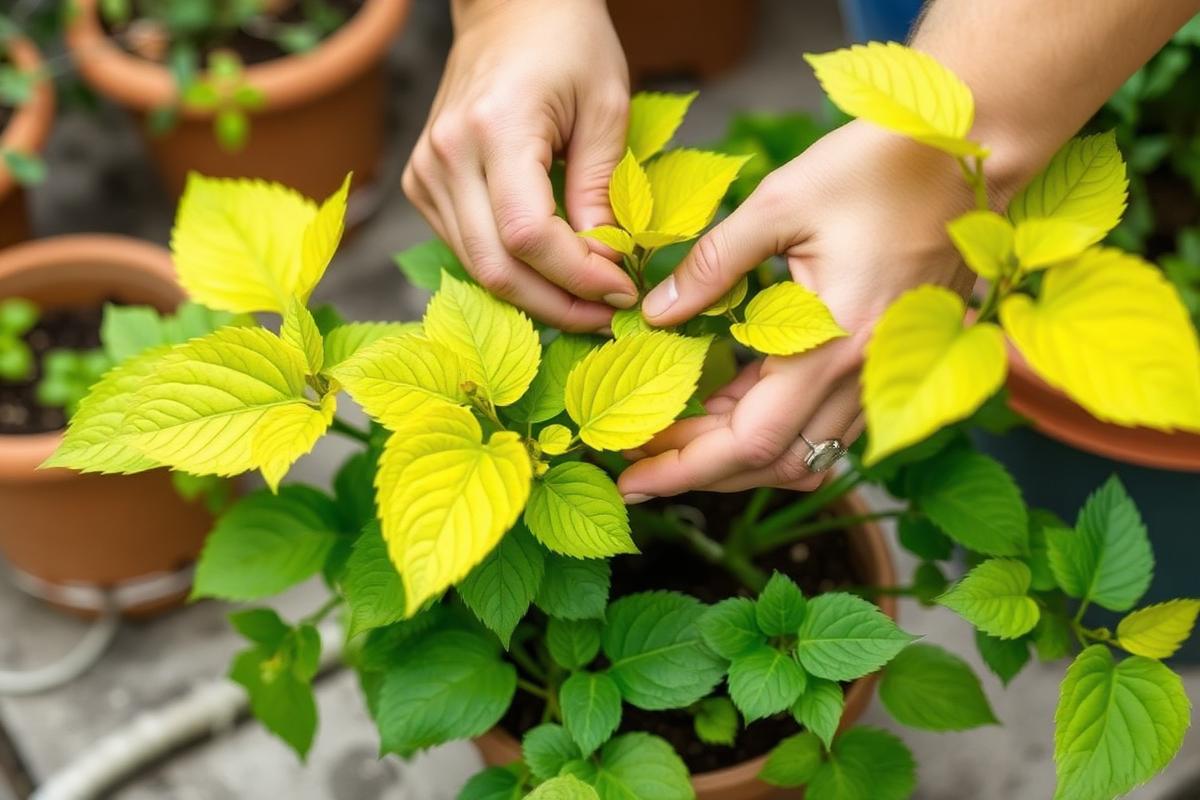
Quick answer
In containers, the most common cause of yellow leaves is overwatering or poor drainage. Check whether the soil is soggy first. If soil is fine, look at nitrogen shortage (older leaves yellow first), too little light, temperature stress, or pests on leaf undersides.
The five-minute diagnostic checklist
| Check | What you see | Likely cause |
|---|---|---|
| Soil moisture | Wet, heavy, sour smell | Overwatering / poor drainage |
| Soil moisture | Bone dry, soil shrunk from sides | Underwatering |
| Which leaves | Oldest, lowest leaves yellow first | Nitrogen shortage |
| Leaf pattern | Yellow between green veins | Iron or magnesium shortage |
| Location | Only the shaded side yellows | Insufficient light |
| Undersides | Webbing, sticky spots, tiny insects | Spider mites or aphids |
| Timing | Sudden after a cold or hot snap | Temperature shock |
Fixes for each cause
- Overwatering: stop watering, confirm drainage holes are clear, move to a brighter, airier spot, and let the top two inches dry before the next water
- Underwatering: soak the whole pot in a bucket for 20 minutes to rewet the mix, then mulch
- Nitrogen shortage: apply a balanced liquid fertilizer and repeat every two weeks
- Iron or magnesium shortage: feed with a micronutrient fertilizer; check that the mix is not permanently waterlogged
- Low light: relocate to your sunniest spot and remove anything shading the plant
- Pests: rinse leaves, then treat with insecticidal soap every five to seven days for three cycles
When yellow leaves are completely normal
A few old lower leaves yellowing and dropping is natural ageing. Plants also shed leaves after transplanting, after a heatwave, and at the end of the season. If new growth is green and healthy, the plant is fine.
Helpful tips
- Remove the yellow leaves once you have diagnosed the cause — they will not turn green again and they drain energy.
- Change one variable at a time so you can tell what worked.
- Photograph the plant weekly to track whether it is improving.
Common mistakes to avoid
- Watering more because the plant looks unwell, when overwatering was the original problem.
- Fertilizing a plant sitting in soggy soil — damaged roots cannot absorb feed.
- Ignoring the undersides of leaves where pests hide.
Frequently asked questions
Should I cut off yellow leaves?
Yes, once the cause is addressed. Snip them at the base to keep the plant tidy and reduce disease risk.
Can overwatered plants recover?
Often, if caught early. Let the soil dry, improve drainage, and hold off feeding until new green growth appears. If roots are brown and mushy, repot into fresh mix and trim the damaged roots.
Why are my tomato leaves turning yellow at the bottom?
Usually a nitrogen shortage from heavy feeding demand, or overwatering. Feed regularly and confirm the pot drains freely.
In short
Check the soil first, then the leaf pattern, then the pests. Yellow leaves are almost always telling you something simple.
Get Simple Gardening Tips
Practical plant tips, small-space ideas, and seasonal gardening advice delivered to your inbox.
No spam. Unsubscribe any time.
Keep reading
Container Gardening
How Often to Water Container Plants (Simple Rules That Work)
How often to water potted plants in different weather, how to tell overwatering from underwatering, and easy ways to keep containers evenly moist.
7 min read
Container Gardening
10 Container Gardening Mistakes (and Easy Fixes)
The most common container gardening mistakes beginners make — from pot size to feeding — with a clear fix for each one.
6 min read
Small-Space Vegetables
How to Grow Tomatoes in Containers on a Balcony or Patio
A step-by-step guide to growing tomatoes in pots: variety choice, container size, soil, watering, feeding, support and fixing blossom end rot.
9 min read
Container Gardening
Container Gardening for Beginners: Pots, Soil, Water, Food
The four fundamentals of container gardening — choosing pots, using the right potting mix, watering correctly and feeding — explained for total beginners.
9 min read