Container Gardening for Beginners: Pots, Soil, Water, Food
Almost every container plant that dies fails for one of four reasons: the pot was too small, the soil was wrong, the watering was inconsistent, or nobody ever fed it. Get these four right and everything else is detail.
Quick answer
Use the largest pot you can fit with drainage holes, fill it with fresh potting mix (never garden soil), water deeply whenever the top inch is dry, and feed a balanced liquid fertilizer every two weeks during active growth.
1. Pot size and material
Bigger pots hold more water and buffer temperature swings, which makes them dramatically more forgiving.
- Terracotta: breathable and stable, but dries fast
- Plastic and glazed: retain moisture, can overheat in dark colours
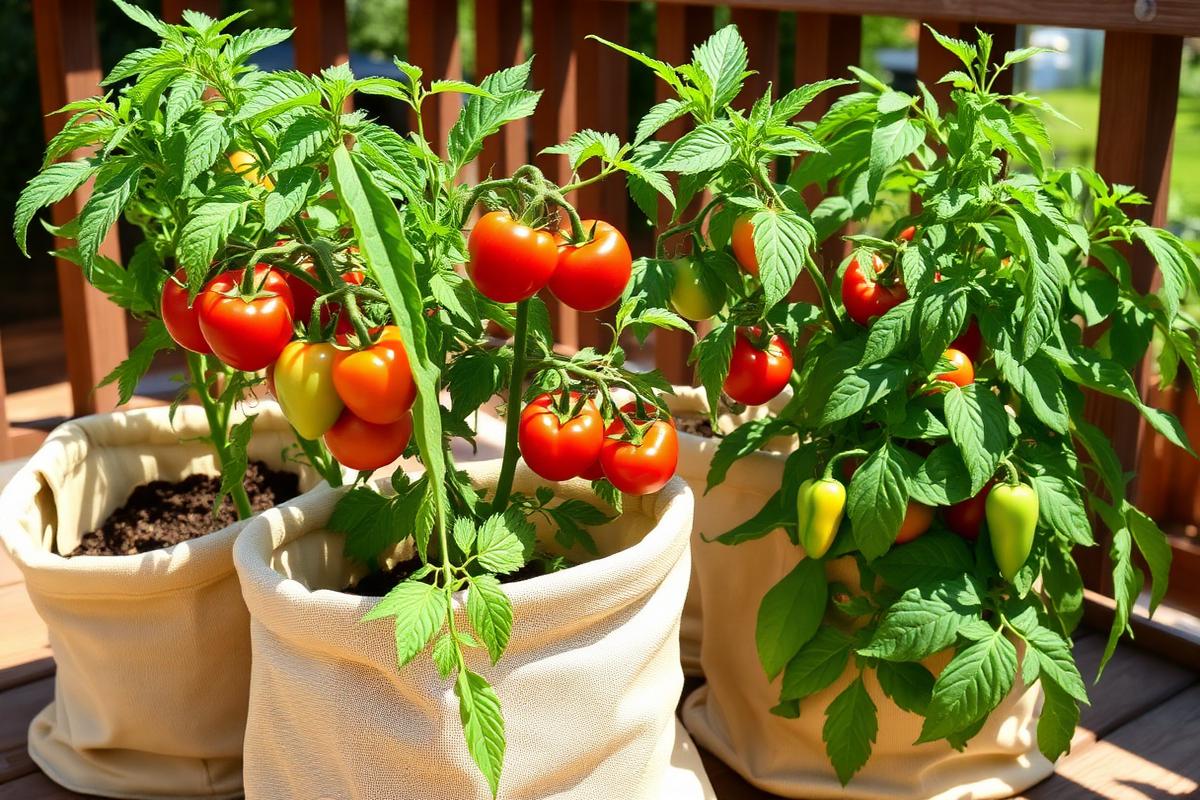
- Fabric grow bags: cheap, light, excellent drainage and root health
| Pot size | Good for |
|---|---|
| 1-2 gallon | Herbs, lettuce, small annual flowers |
| 3-5 gallon | Peppers, bush beans, compact perennials, dwarf shrubs |
| 7-10 gallon | Tomatoes, cucumbers, potatoes, small fruit |
| 15+ gallon | Dwarf trees, large shrubs, mixed planters |
2. Potting mix, not garden soil
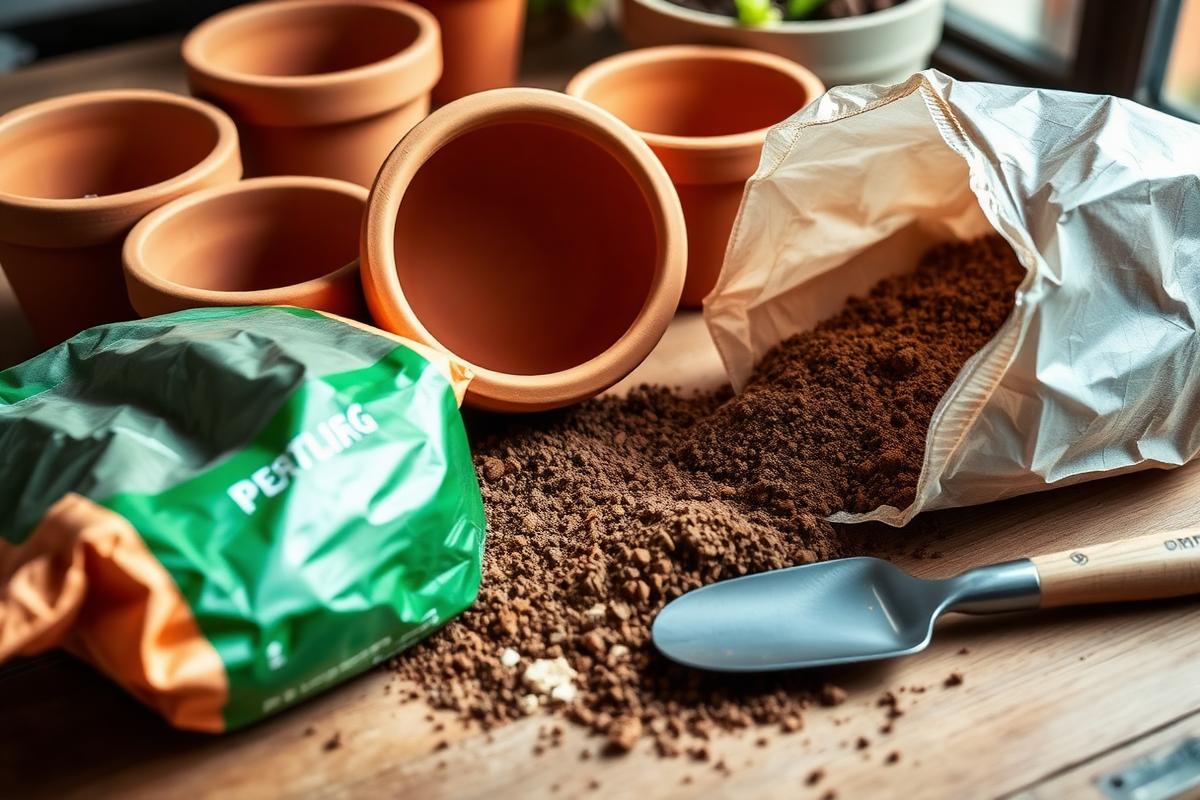
Potting mix is a blend of peat or coir, perlite, and bark designed to stay open and drain. Garden soil compacts in pots and drowns roots.
Do not put gravel in the bottom of a pot. It raises the saturated zone and makes drainage worse, not better. Drainage holes do the job.
3. Watering the right way
- Check the top inch with your finger before every watering
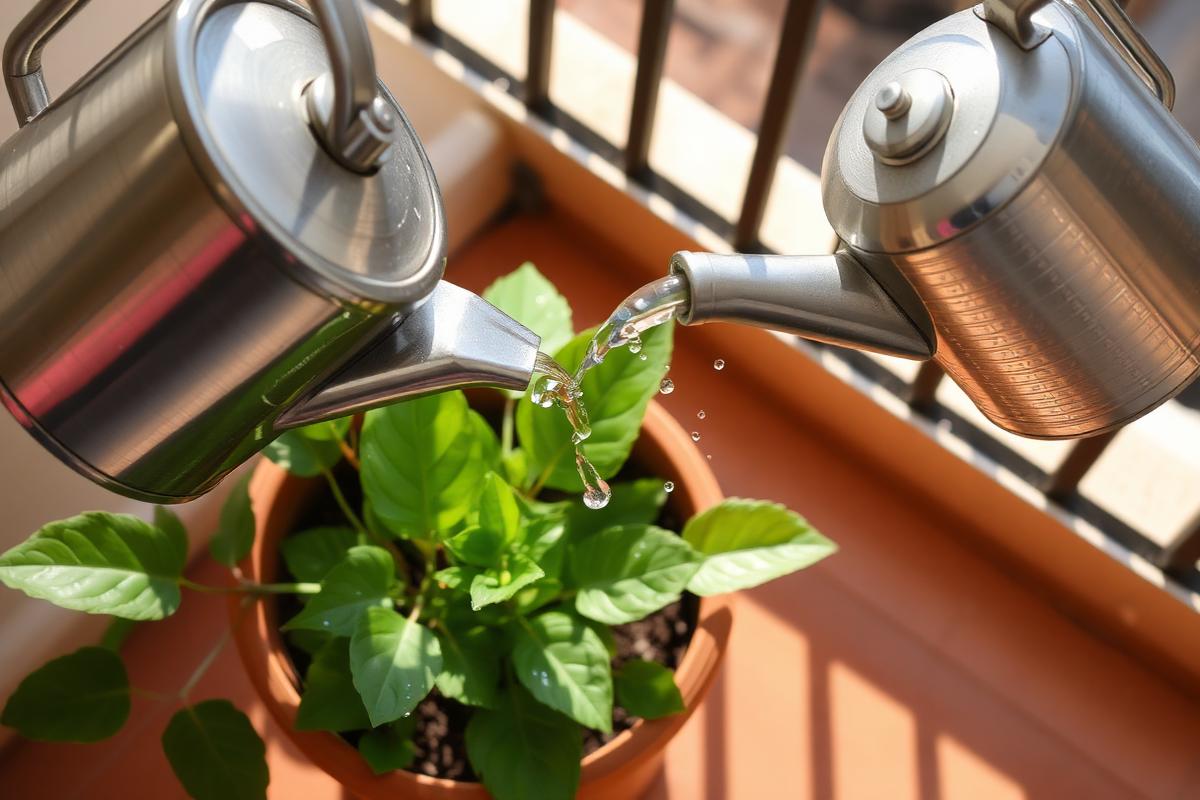
- Water until it runs freely out the bottom, then stop
- Empty saucers after 30 minutes so pots do not sit in water
- Expect daily watering in summer heat, far less in spring and autumn
4. Feeding container plants
Each watering flushes nutrients out of the pot. Most bagged mixes contain only a few weeks of feed.
Use a balanced liquid fertilizer at half strength every two weeks, or mix slow-release granules into the soil at planting and top up mid-season.
How to plant a container step by step
- Cover drainage holes with mesh or a coffee filter to keep soil in
- Fill two-thirds with moistened potting mix
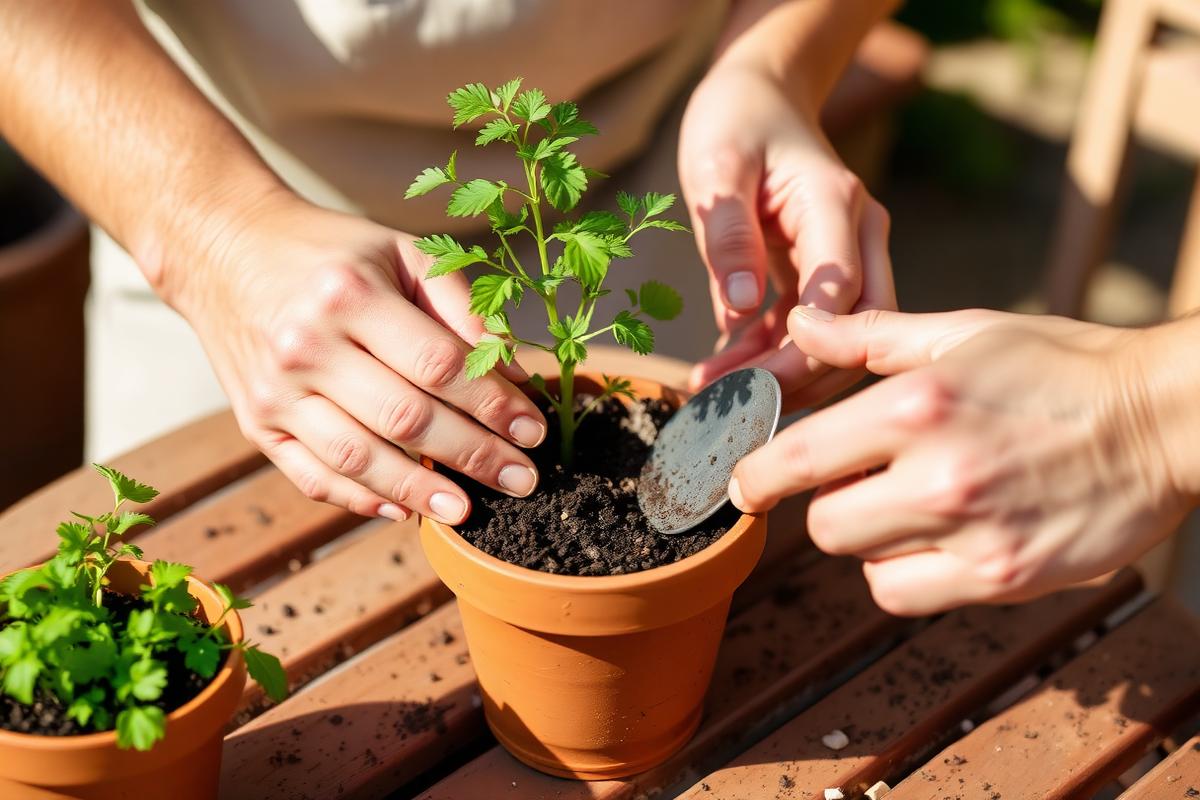
- Loosen the root ball and set the plant at the same depth it grew before
- Backfill, leaving an inch of space below the rim for watering
- Water thoroughly, then mulch the surface
Helpful tips
- Moisten dry potting mix in a bucket before filling pots — dry peat repels water.
- Light-coloured pots keep roots cooler in hot climates.
- Set a weekly reminder to feed. Nothing improves container results faster.
Common mistakes to avoid
- Choosing a pot for looks and finding out it has no drainage hole.
- Reusing exhausted soil from last season without refreshing it.
- Watering on a fixed schedule instead of checking the soil.
- Never fertilizing and wondering why growth stalled in July.
Gear that genuinely helps
Balanced liquid fertilizer
Fixes the most common cause of stalled container growth.
Moisture meter
Removes the guesswork while you learn what dry soil feels like.
Frequently asked questions
Do all pots need drainage holes?
Yes. Without drainage, water collects at the bottom and roots rot. If you love a pot with no hole, drill one or use it as a cachepot over a nursery pot.
Can I reuse potting soil next year?
You can, if last year's plants were healthy. Refresh it by mixing in a third fresh mix plus compost and slow-release fertilizer.
How often should container plants be fertilized?
Every two weeks with a half-strength liquid feed during active growth, or slow-release granules applied twice a season.
In short
Big pot, fresh mix, deep watering, regular feeding. Those four habits carry every container plant you will ever grow.
Get Simple Gardening Tips
Practical plant tips, small-space ideas, and seasonal gardening advice delivered to your inbox.
No spam. Unsubscribe any time.
Keep reading
Container Gardening
Best Potting Soil for Containers (and What to Never Use)
How to choose potting mix for containers, what the ingredients do, DIY mix recipes for vegetables and herbs, and why garden soil fails in pots.
7 min read
Container Gardening
How Often to Water Container Plants (Simple Rules That Work)
How often to water potted plants in different weather, how to tell overwatering from underwatering, and easy ways to keep containers evenly moist.
7 min read
Container Gardening
10 Container Gardening Mistakes (and Easy Fixes)
The most common container gardening mistakes beginners make — from pot size to feeding — with a clear fix for each one.
6 min read
Small-Space Vegetables
Best Vegetables to Grow in Containers (With Pot Sizes)
The best vegetables for container gardening on balconies and patios, with pot size, sun needs and days to harvest for each crop.
8 min read