Balcony Gardening for Beginners: A Simple Start-to-Finish Guide
You do not need a yard, a lot of money, or any experience to grow food and flowers on a balcony. You need light, a few pots that drain, decent soil, and plants matched to the conditions you actually have.
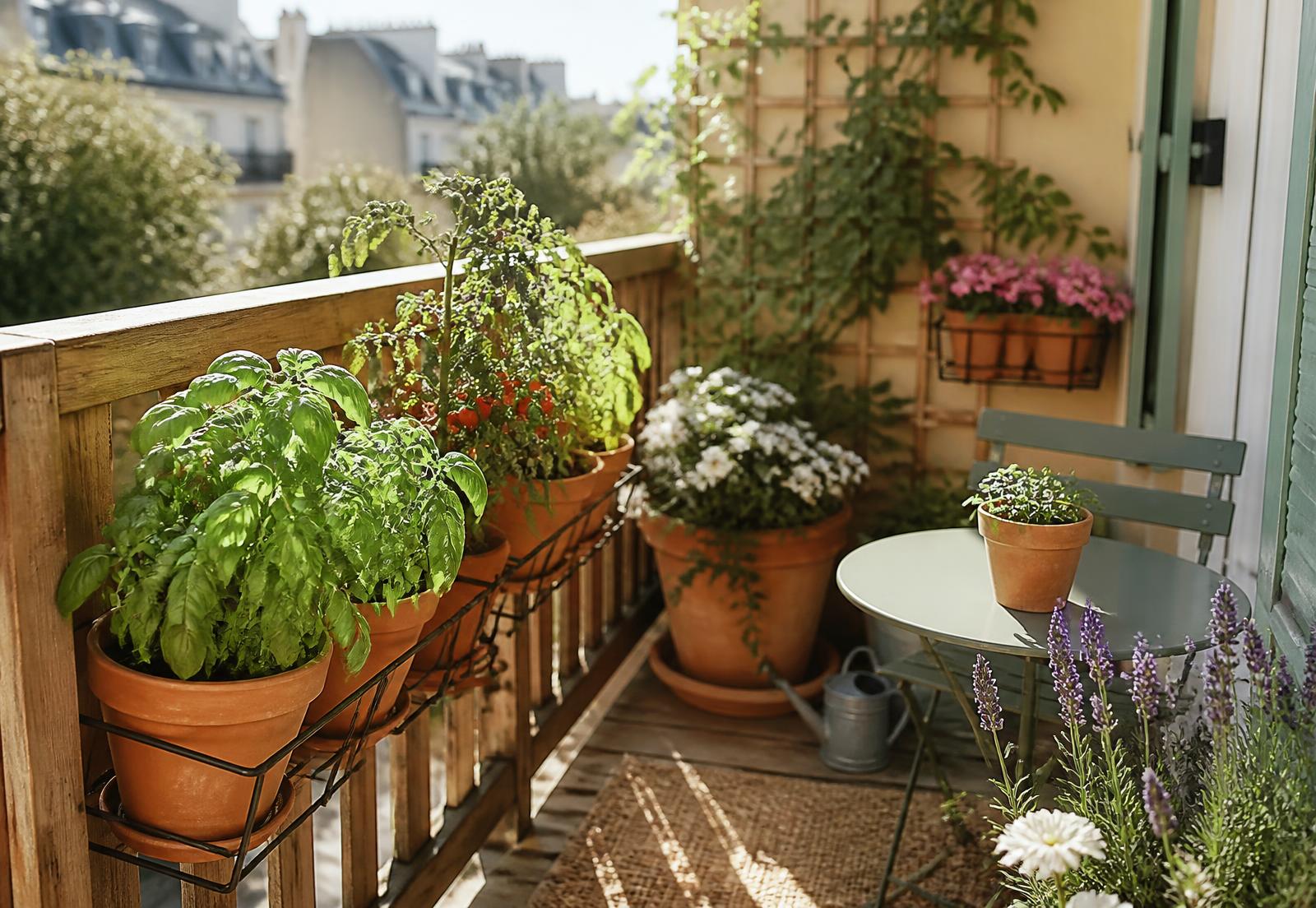
Quick answer
Start by tracking how many hours of direct sun your balcony gets. Then choose 3-5 plants that match that light, plant them in pots of at least 3 gallons with drainage holes and fresh potting mix, water when the top inch of soil is dry, and feed every two weeks once plants are growing.
Step 1: Measure your light before you buy anything
Light is the one thing you cannot fix with effort or money. Check your balcony every two hours on a clear day and note when direct sun hits it.
| Direct sun per day | What it means | Grow this |
|---|---|---|
| 6+ hours | Full sun | Tomatoes, peppers, basil, rosemary, marigolds |
| 4-6 hours | Part sun | Lettuce, beans, chives, parsley, calibrachoa |
| 2-4 hours | Part shade | Mint, spinach, salad greens, begonias, fuchsia |
| Under 2 hours | Shade | Ferns, coleus, impatiens, hostas in pots |
Step 2: Pick pots that are bigger than you think
Small pots dry out in hours on a hot, windy balcony. Bigger pots hold more water and more root space, which makes them far more forgiving for beginners.
- Herbs and salad greens: 1-2 gallon pots or a railing planter
- Peppers, bush beans, compact flowers: 3-5 gallons
- Tomatoes, cucumbers, potatoes: 7-10 gallons or a large grow bag
- Every container must have drainage holes — no exceptions
Step 3: Use potting mix, not garden soil
Bagged potting mix is light and drains fast, which is exactly what roots in a pot need. Garden soil and topsoil compact into a dense brick in containers and suffocate roots.
One bag of quality mix will fill roughly two 5-gallon pots. Buy fresh mix for each new planting rather than reusing tired soil in year one.
Step 4: Water and feed on a rhythm
Push a finger an inch into the soil. Dry? Water until it runs from the drainage holes. Damp? Wait. In midsummer heat, most balcony containers need water once a day, sometimes twice.
Potting mix holds very little nutrition. Start feeding a balanced liquid fertilizer at half strength every two weeks about a month after planting.
Step 5: Check your building's rules and safety
- Confirm whether railing planters are allowed and hang them on the inside of the railing where possible
- Use saucers or trays so runoff does not soak the neighbour below
- Wet soil is heavy — spread large pots along the wall edge, not clustered mid-floor
- Windy floors need low, wide pots and shorter plants
Helpful tips
- Group pots together so they shade each other's soil and dry out more slowly.
- Mulch the top of each pot with a half inch of bark or straw to cut watering by roughly a third.
- Buy transplants for your first season — seeds add weeks and complexity you do not need yet.
- Keep a note on your phone of what you planted and when. Next year it becomes your planting calendar.
Common mistakes to avoid
- Buying sun-loving tomatoes for a balcony that gets three hours of light.
- Using pots without drainage holes because they looked nice.
- Watering a little every day, which keeps only the top inch damp and leaves roots dry.
- Starting with fifteen plants. Five plants you can actually care for beats fifteen you neglect.
Gear that genuinely helps
Fabric grow bags (5-10 gallon)
Cheap, light, foldable in winter, and they air-prune roots so plants stay healthier in small volumes.
Long-spout watering can
Lets you water at soil level between crowded pots without splashing leaves.
Balcony railing planters with brackets
Adds growing space without using any floor area.
Frequently asked questions
How much sun does a balcony garden need?
Four hours of direct sun opens up most herbs and leafy greens. Six or more hours is needed for fruiting crops like tomatoes and peppers. Under two hours, focus on foliage plants and shade flowers.
Can I garden on a north-facing balcony?
Yes, with shade-tolerant plants. Mint, parsley, lettuce, spinach, ferns, begonias and impatiens all do well with bright indirect light and a couple of hours of sun.
How much does starting a balcony garden cost?
A workable starter setup — three to five pots, a bag of potting mix, transplants and a watering can — usually lands between $60 and $120. Grow bags and recycled buckets bring that down further.
In short
Match plants to your light, use big pots with fresh mix, and water by checking the soil rather than the calendar. Do those three things and your first balcony season will produce something you are proud of.
Get Simple Gardening Tips
Practical plant tips, small-space ideas, and seasonal gardening advice delivered to your inbox.
No spam. Unsubscribe any time.
Keep reading
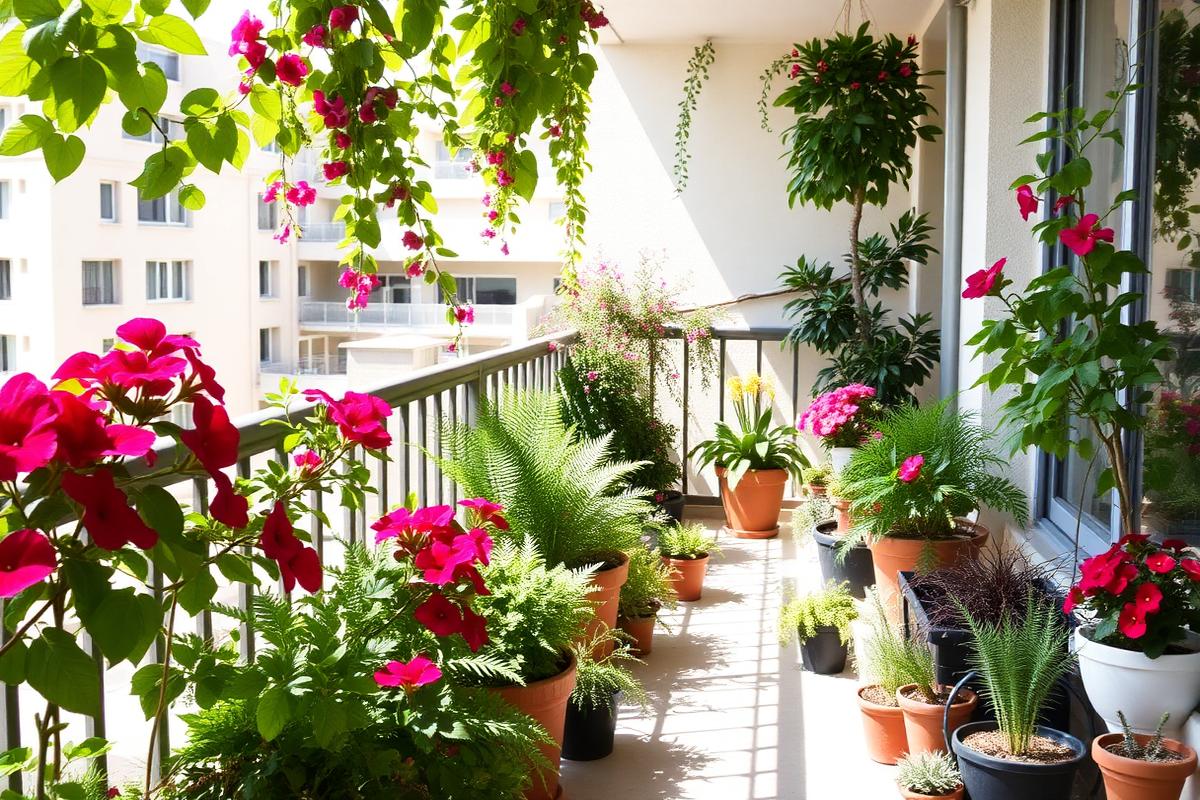
Balcony Gardening
18 Best Balcony Plants for Sun, Shade and Windy Spots
The best plants for balcony gardens, sorted by how much sun you get and how exposed your space is — with pot sizes and care notes for each.
8 min read
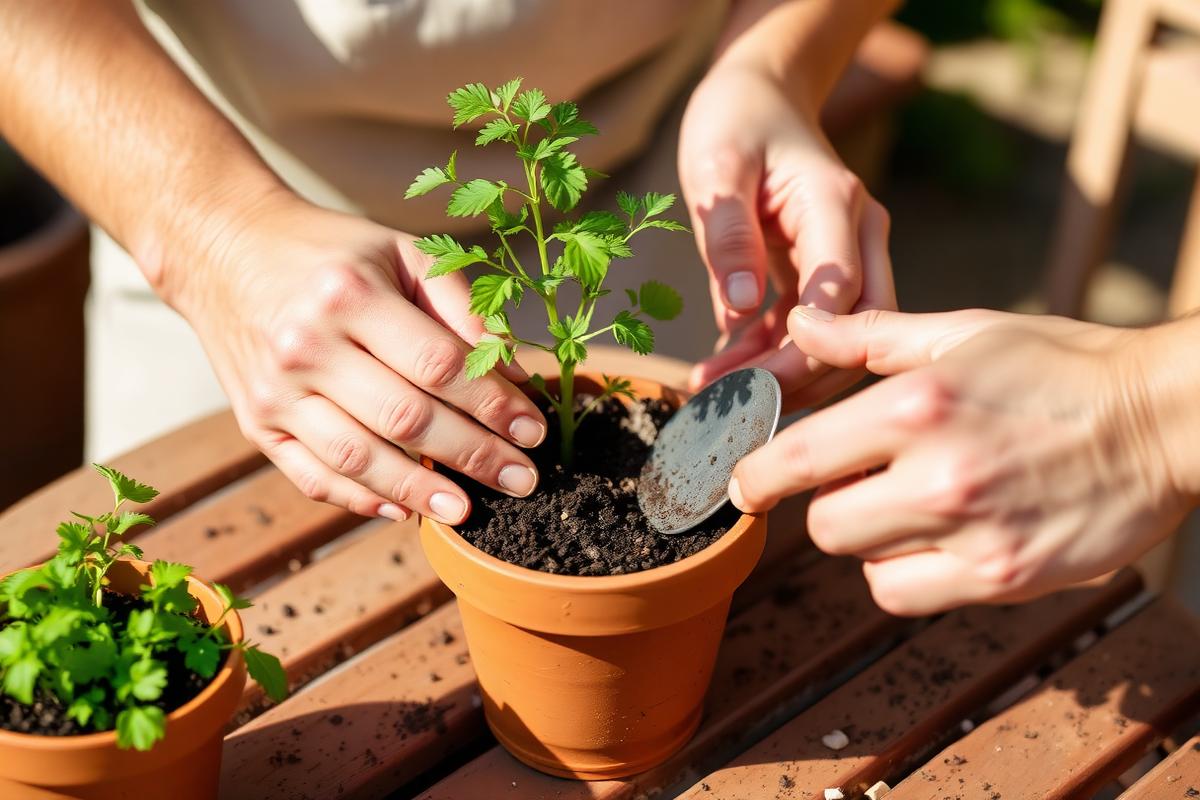
Container Gardening
Container Gardening for Beginners: Pots, Soil, Water, Food
The four fundamentals of container gardening — choosing pots, using the right potting mix, watering correctly and feeding — explained for total beginners.
9 min read
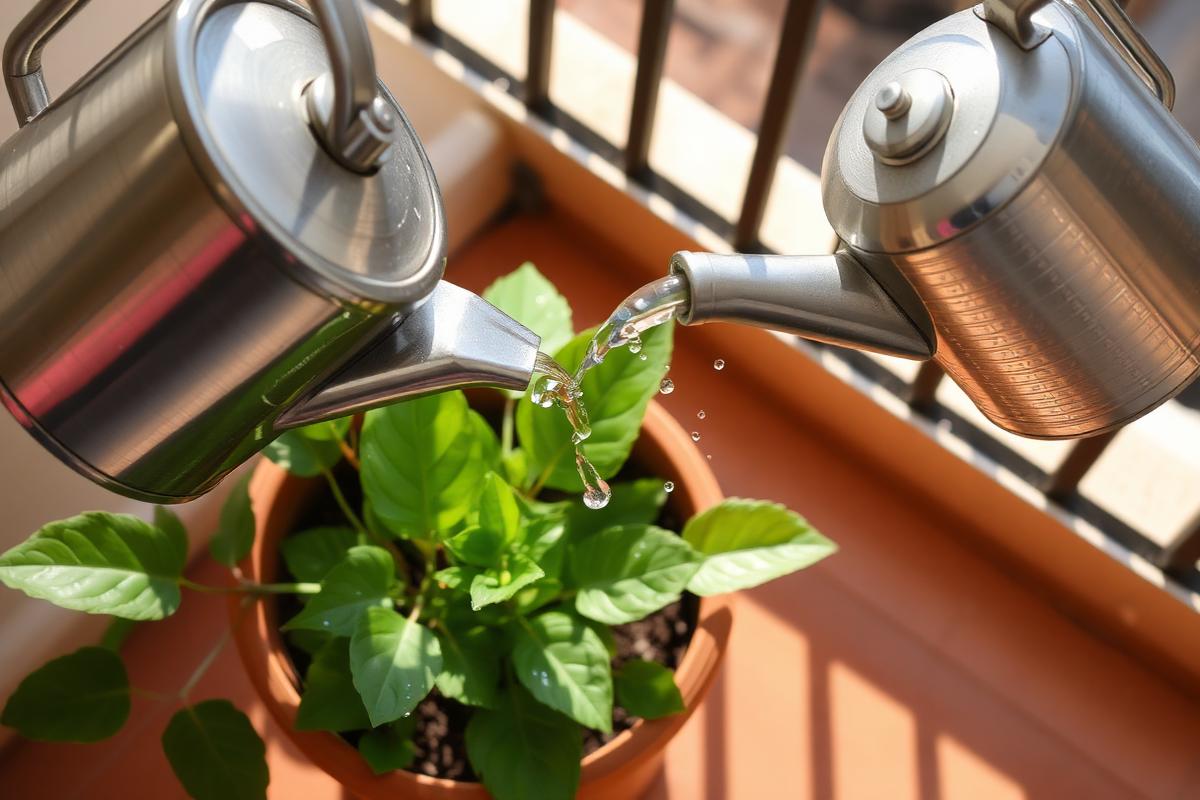
Container Gardening
How Often to Water Container Plants (Simple Rules That Work)
How often to water potted plants in different weather, how to tell overwatering from underwatering, and easy ways to keep containers evenly moist.
7 min read
Balcony Gardening
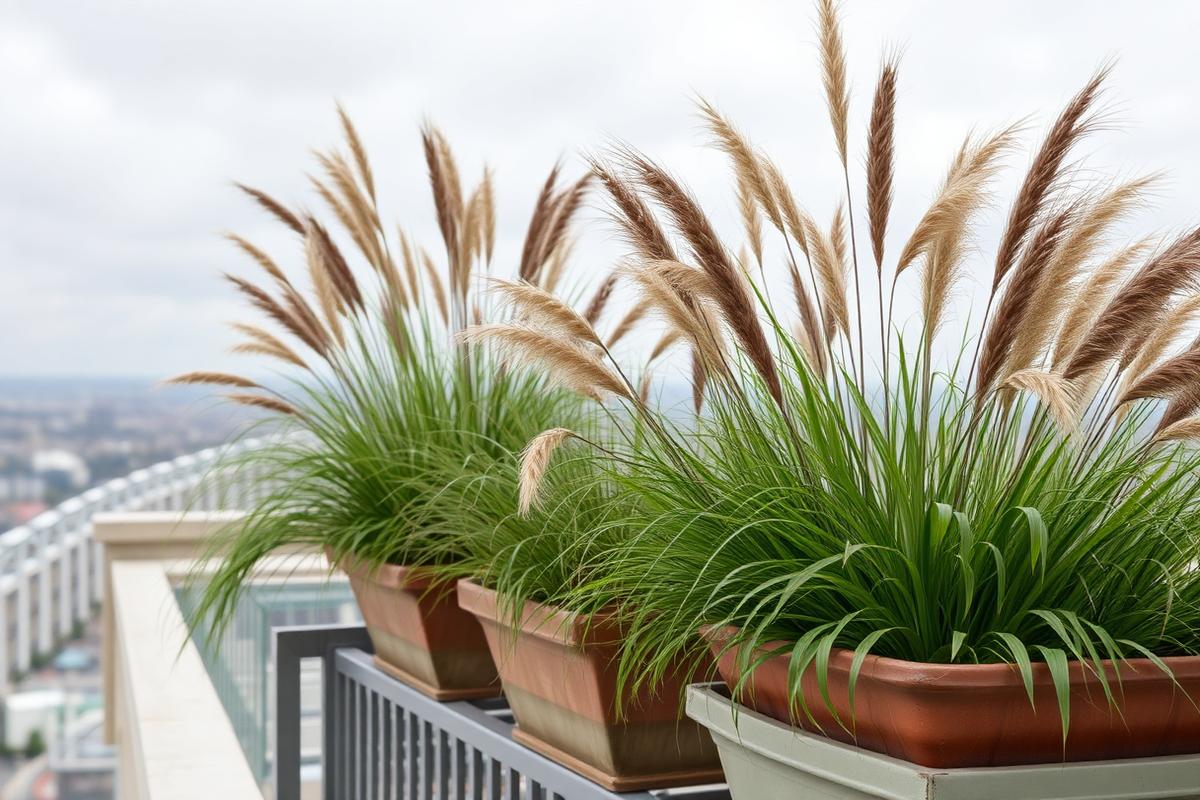
Wind-Resistant Plants for Windy Balconies (and How to Block the Wind)
Wind-tolerant plants for high or exposed balconies, plus simple screening, pot weighting and watering fixes that keep containers from drying out.
7 min read