Best Self-Watering Planters for Balconies (2026 Review)
Balcony pots dry out faster than anything in a yard. A self-watering planter adds a water reservoir under the soil so the plant drinks on its own schedule instead of yours — which is the difference between a garden that survives a July weekend away and one that does not.
Quick answer
For most balconies, a 2-3 gallon self-watering planter with an overflow hole and a wicking chamber is the sweet spot. Our overall pick is the Lechuza Balconera-style trough for railing spaces, and a fabric-lined self-watering grow box for tomatoes and peppers.
How we tested
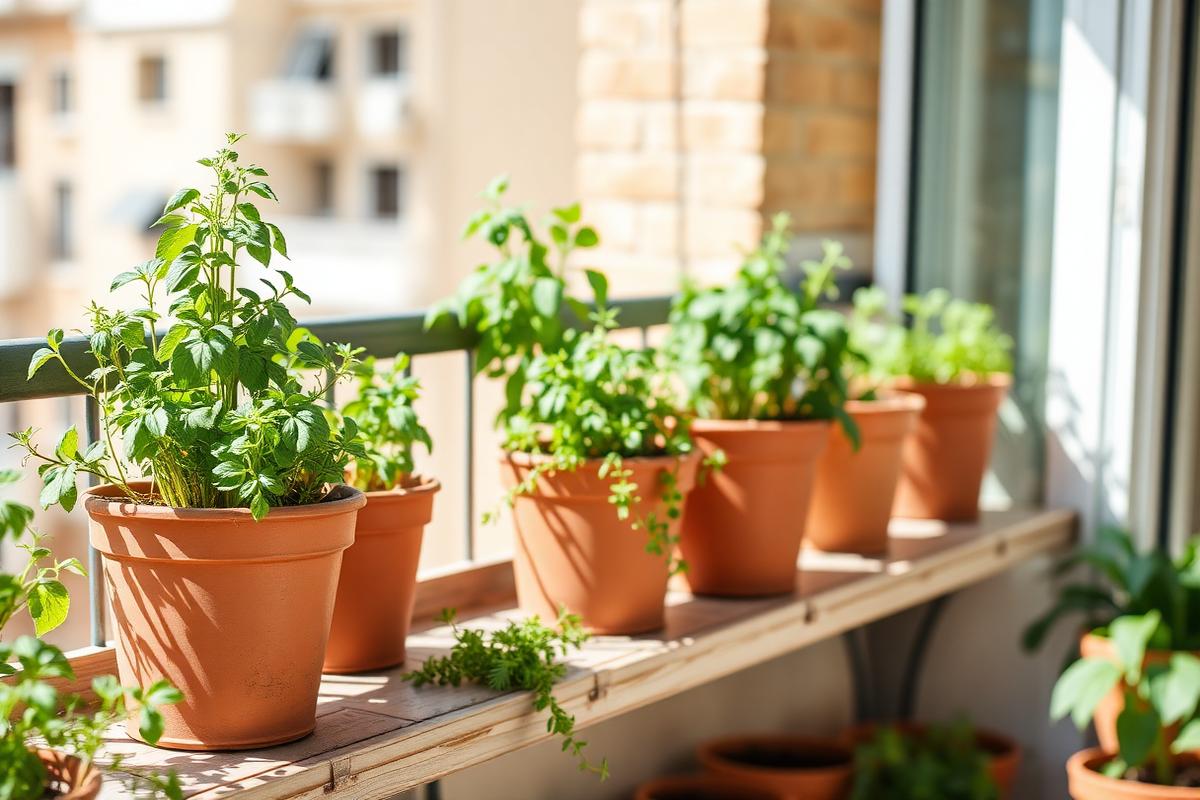
We grew basil, cherry tomatoes and lettuce side by side in each planter across a hot, windy 6th-floor balcony for one full season, and recorded refill intervals, root health at repotting, and how each planter handled heavy rain.
Our picks
Railing trough with sub-irrigation reservoir
Typical price: $35-55 · Best for: Herbs, lettuce and flowers along a railing
A 20-inch trough with a 1.5 gallon reservoir and a water-level gauge. It held three basil plants through 90F days on a refill every 4-5 days.
What we liked
- Water gauge removes the guesswork
- Overflow hole prevents drowned roots in heavy rain
- Hooks fit standard balcony railings without drilling
Trade-offs
- Reservoir is small for tomatoes
- Plastic finish looks cheaper than terracotta
We may earn a commission from this link.
Self-watering grow box (large capacity)
Typical price: $60-90 · Best for: Tomatoes, peppers, eggplant and dwarf fruit
A 4 gallon reservoir under 12 gallons of soil. This was the only planter that kept an indeterminate tomato evenly watered without daily attention.
What we liked
- Huge reservoir
- Aeration screen keeps roots out of standing water
- Casters available
Trade-offs
- Heavy once filled
- Takes up real floor space
We may earn a commission from this link.
Ceramic-look self-watering pot, 10 inch
Typical price: $18-25 · Best for: A single herb or houseplant moved outdoors
A simple cotton-wick pot that costs less than a bag of potting mix. Fine for herbs and small flowers, not enough for fruiting crops.
What we liked
- Cheapest way to try sub-irrigation
- Looks good on a bistro table
Trade-offs
- Wick clogs after a season
- No overflow hole — move it out of hard rain
We may earn a commission from this link.
What to look for before you buy
Reservoir size matters more than brand
Aim for a reservoir that is roughly a quarter of the soil volume. Below that you are refilling daily in summer anyway, which defeats the point.
Insist on an overflow hole
Without one, a rainy week turns the reservoir into a swamp and roots rot. If a planter you love lacks one, drill a 1/4-inch hole at the top of the reservoir line.
Wind stability
A full reservoir is ballast, so self-watering planters are usually more wind-stable than light plastic pots — but check that railing hooks lock rather than just hang.
Frequently asked questions
Do self-watering planters cause root rot?
Not if they are designed correctly. Roots sit above the water in an aeration layer and drink through a wick. Rot happens when there is no overflow hole and rain floods the soil.
Can I still fertilize normally?
Use a diluted liquid feed poured into the soil surface, not the reservoir. Fertilizer in the reservoir can build up salts that burn roots.
How often do I refill?
Every 4-7 days for herbs in summer, every 2-3 days for a mature tomato. In spring and fall it can stretch to two weeks.
Get Simple Gardening Tips
Practical plant tips, small-space ideas, and seasonal gardening advice delivered to your inbox.
No spam. Unsubscribe any time.
Related guides
Container Gardening
How Often to Water Container Plants (Simple Rules That Work)
How often to water potted plants in different weather, how to tell overwatering from underwatering, and easy ways to keep containers evenly moist.
7 min read
Balcony Gardening
Balcony Gardening for Beginners: A Simple Start-to-Finish Guide
A beginner-friendly guide to starting a balcony garden: measuring sunlight, choosing pots and plants, watering, and avoiding the mistakes that kill first-year plants.
9 min read